

If your organization has sustainability goals, you likely keep your eyes open for green business trends. It can sometimes be difficult to separate the smart sustainable moves from a sea of flashy fads and empty greenwashing. However, the latest sustainability trend is simply a fresh new term for a tried-and-true practice.
The trend: paperization. The move: replacing plastic with recyclable materials like (you guessed it!) paper.
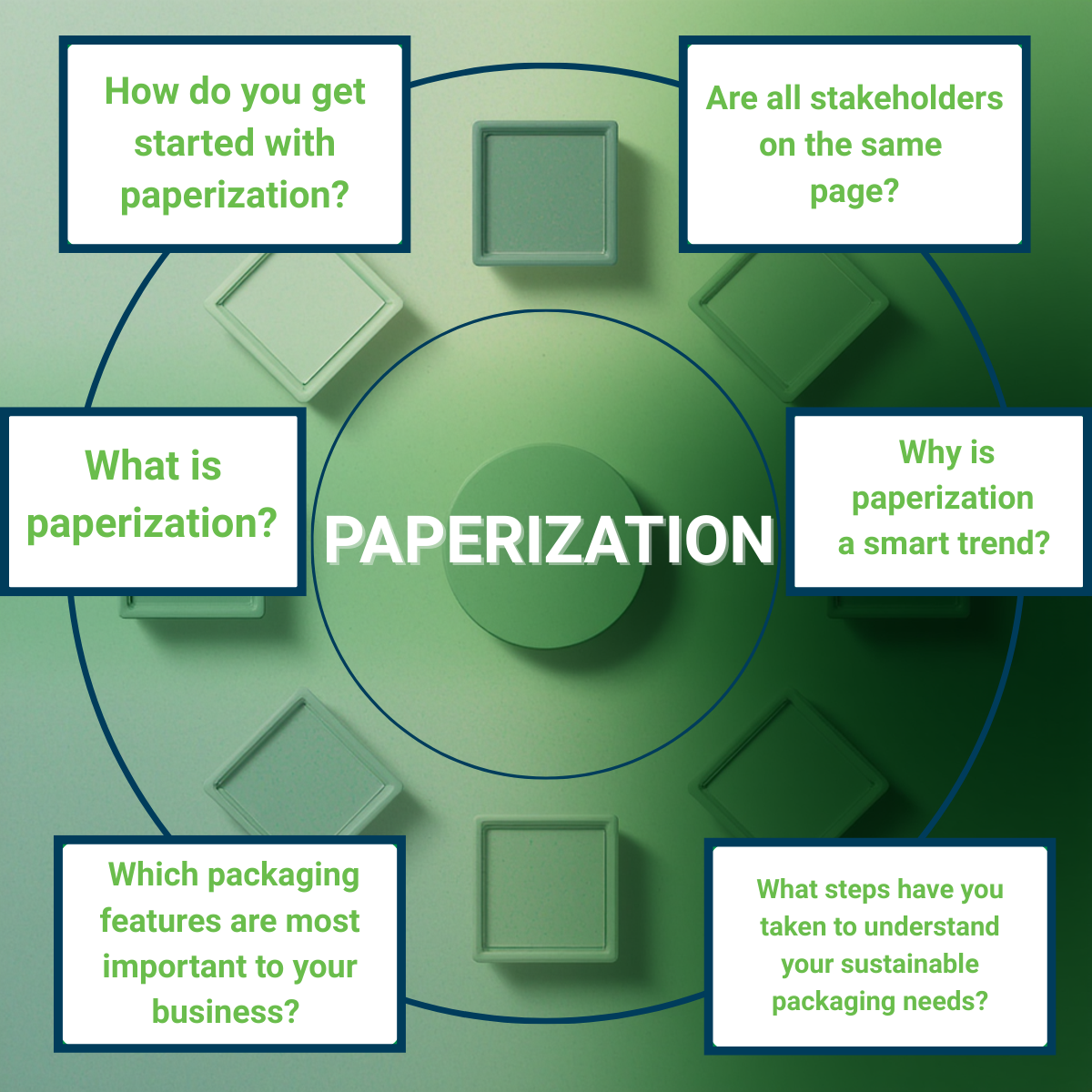 What is Paperization?
Paperization, sometimes called fiberization, means swapping out unsustainable materials (usually plastic) for recyclable, sustainable paper. Paperization is a perfect way to reduce your company’s impact on the planet while showcasing its environmental bona fides to an eco-conscious audience. Making the transition from plastic to paper-based packaging is a great way to display your commitment to sustainability. Here’s what to know as you start to fiberize.
Why Paperization is a Smart Trend
While it has a trendy new name, paperization is a classic CPG sustainability tactic for several reasons.
First off, reducing the amount of plastic that’s bound for an eternity in the landfill has an immediate positive effect on the world.
What’s more, replacing that material with paper increases the likelihood that it will be recycled, because paper is almost universally recognized as a recyclable material.
Finally, paperization is a highly visible signal to your customers that you are making decisions based on sustainability rather than convenience.
Types of Fiber-Based Materials for Paperization
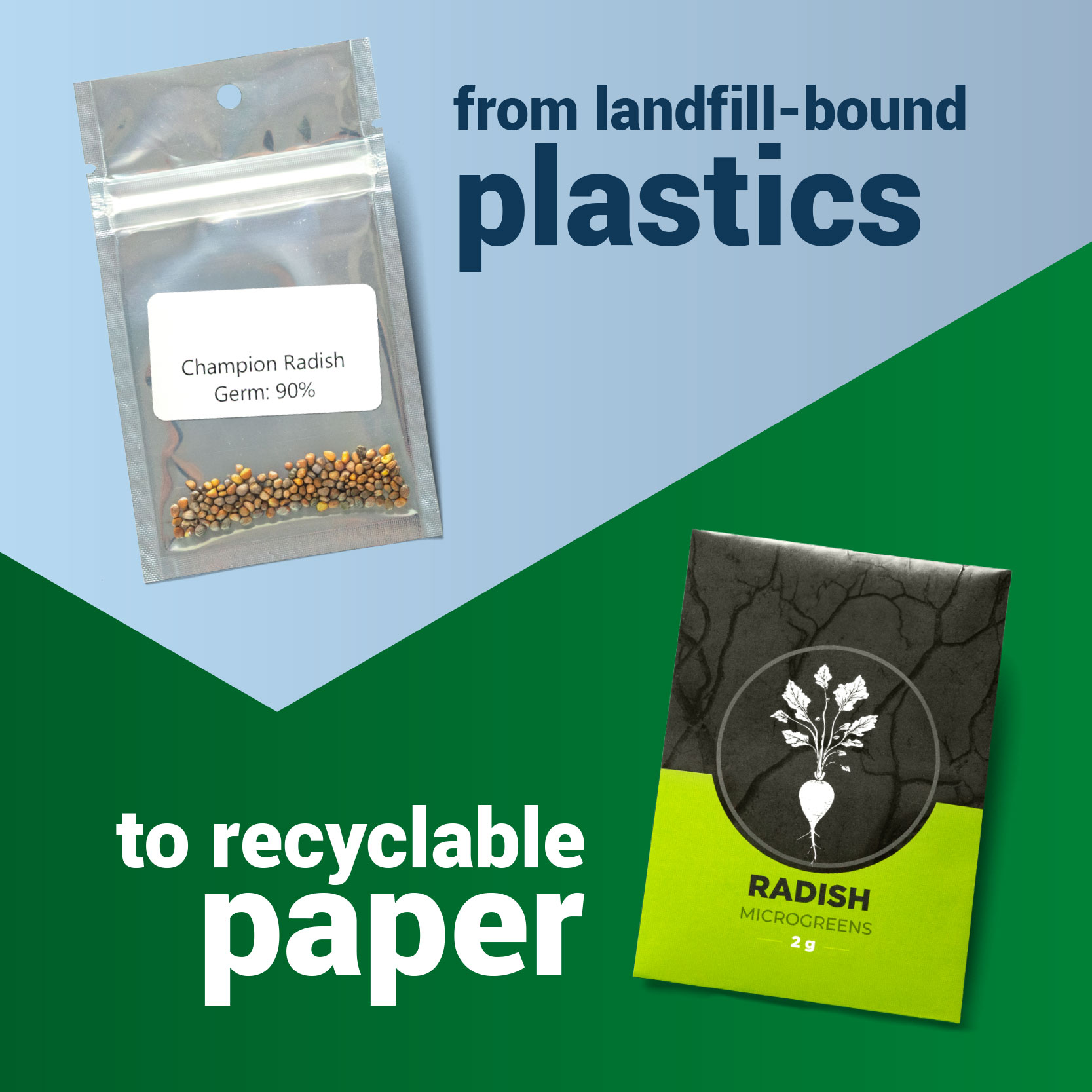 If you’re using plastic bags or wrap in your packaging, odds are good there’s a flexible paper packaging material that can perform the same job. (Yes, even if the job is to be transparent and provide product visibility!) Here are a few of the materials you might consider as you start your paperization journey, based on offerings from JBM Packaging.
- Classic paper materials: Paper envelopes and pouches combine product protection with an affordable price point and an experience that conveys your commitment to sustainability. Choose the colors, sizing, and printing that make sense for your brand.
- Water-resistant paper: If your packaging needs to stand up to the elements, you might think plastic is inevitable—but it’s not! JBM Packaging offers exceptional protection with water-resistant, fully recyclable Hydroblox paper packaging.
- Transparent paper: Glassine offers a premium experience all around: a beautiful translucent look, satiny feel, and sturdy and grease-resistant properties. To learn more, click here for “What is Glassine?”
- Plastic-free windowed packaging: Using plant-based transparent film, JBM Packaging can create a crystal-clear windowed package that displays your product beautifully while still being fully recyclable.
Paperization Challenges
Let’s be clear: paperization has its challenges in addition to its benefits. When you’re evaluating making the switch to fiber-based packaging, it’s best to have a full understanding of the potential roadblocks. Make sure you consider the following:
Paper is great, but it isn’t perfect. Eco-friendly packaging options are appearing all over the marketplace, with new materials being developed all the time. Of all the amazing alternatives to plastic, paper isn’t always the best replacement. It all depends on the purpose of the packaging.
Paper can be less expensive … but not always. Premium features and a premium experience often comes with a premium cost, and that’s as true with paper as with any other packaging material. Selecting the right paper attributes will help you achieve cost savings.
Make sure all stakeholders are aligned — and that they understand the tradeoffs. Any big change in business comes with opportunity costs, and most come with monetary costs as well. From switching suppliers to changing equipment to work with new materials, paperization represents a big step, and it’s important that everyone with a say in the decision understands the size and purpose of the investment you’ll be making. The CEO needs to lead the way with a vision for sustainability; the finance group must analyze the move in the context of EPR requirements and associated fees; the sales and marketing teams should establish customer demand for the change.
To navigate these challenges, perform an honest assessment of your product’s packaging—and challenge your assumptions. What is the purpose of your packaging? Which features are true needs, and which are nice-to-haves? What are potential stakeholder concerns, and how can they be addressed? The answers will help you clarify the path to more sustainable packaging that is right for your business.
 Getting Started with Paperization
Transitioning to fiber-based packaging is a journey—and depending on the size and priorities of your business, it might not be a short one. Before you order flexible paper packaging to replace your poly bags, you’ll need a road map. Here are the first few steps.
- Identify the packaging features that are most important to your business. You know better than anyone what your packaging is supposed to do. Is it an attractive extension of your brand? Is it utilitarian and sturdy? Is it a showcase for your product, or a protective cocoon? Knowing the main purpose of your packaging will help you select the features that are essential when you fiberize.
- Do your homework—and work smart. Once you’ve made the choice to pursue paperization, do your research to understand your needs. Research what your customers like, love, and could do without when it comes to your packaging. Investigate the pricing and features of your current packaging, so you understand the tradeoffs and impact of paperization.
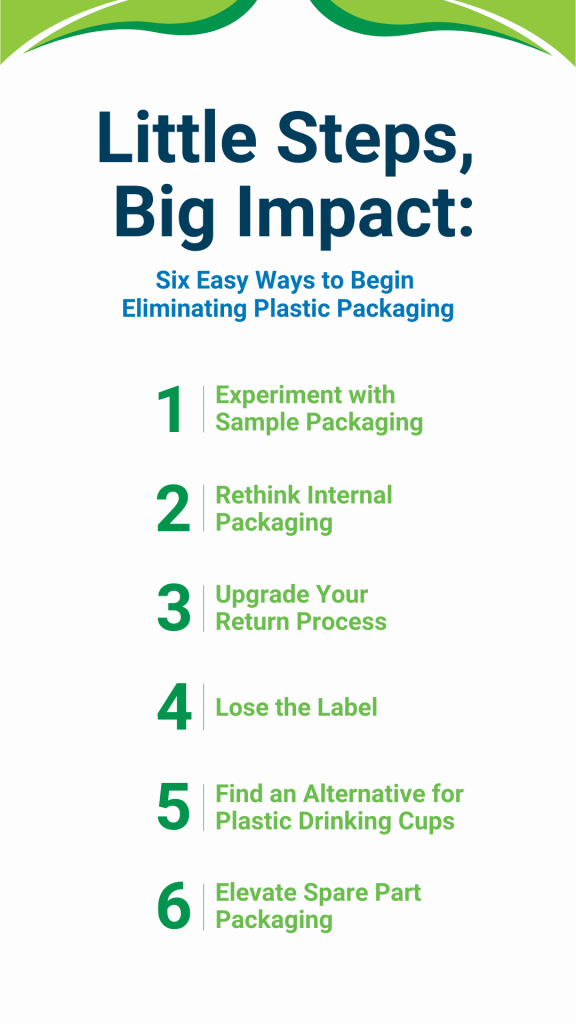
- Start small and build momentum. No one said you have to make this transition all at once! There are plenty of small ways you can reduce your environmental impact by paperizing your packaging. Read our blog for six small steps you can take toward more sustainable packaging.
- Make the transition. When you are ready to fully commit to paperization, think of it as a gradual handover rather than a sudden swap. Each time you launch a new product, package it in paper. Move in your new equipment one machine at a time. For a large business, this process could take years—but the sustainability benefits will be forever.
If all this sounds daunting, don’t worry—you don’t have to do these steps alone! The experts at JBM Packaging can make recommendations, send samples and even test your product in its new packaging to ensure it stays secure.
Fiberization of packaging isn’t always easy, but it is a journey worth taking! If you’re interested in boosting the sustainability of your packaging by making the transition to paper, JBM Packaging can help with innovative flexible paper packaging solutions! Contact us today to get started.